Yen Firms Slightly as Japan Renews Intervention Warning
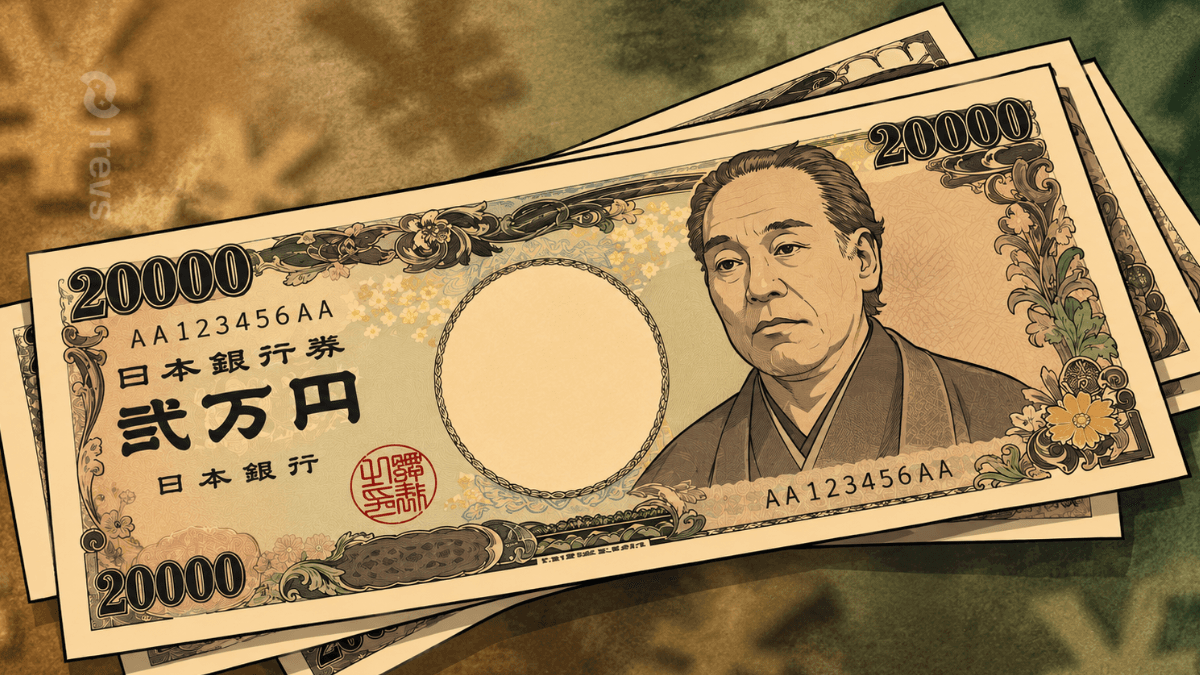
The Japanese yen strengthened modestly during Thursday's Asian session, pulling USD/JPY back from the four-decade high of 163.24 reached earlier in the week. The move followed renewed comments from Finance Minister Satsuki Katayama, who said the government stood ready to take decisive action if currency swings became excessive, without naming a specific trigger level.
Warnings Slow, but Do Not Reverse, the Slide
USD/JPY held near 163 despite the modest pullback, suggesting traders remain cautious about pressing further bets against the dollar. Japan previously spent ¥11.7 trillion intervening in currency markets between late April and May, though those purchases delivered only temporary relief as the US-Japan rate gap kept supporting the dollar.
Broader capital flows are adding to the volatility. Estimates of a possible large-scale institutional shift from equities into bonds illustrate how major portfolio rebalancing can ripple into currency and government debt markets.
Rate Gap Still Favors the Dollar
The Bank of Japan lifted its policy rate to roughly 1% in June, its highest level in more than three decades, though Japanese rates remain below US levels. That gap continues to support the yen carry trade, in which investors borrow cheaply in yen to fund purchases of higher-yielding assets elsewhere, and it limits how much intervention alone can achieve without a narrowing of rate expectations between the two economies.
The Bank of Japan's next meeting runs July 30-31, closely following the Federal Reserve's July 28-29 meeting.
Regional Risk and Automated Trading Add Volatility
Traders are also tracking wider Asian conditions. China's GDP growth slowdown to 4.3% has raised uncertainty over regional trade and commodity demand, and rapid market reactions can compound these swings. Regulators have already flagged that automated trading systems may amplify volatility when multiple models respond to the same signal simultaneously, meaning official comments, inflation data, and rate decisions can trigger outsized USD/JPY moves even without a shift in the underlying rate gap.
What Comes Next
Japan's national inflation data, due July 24, will offer fresh signals on whether price pressure supports another Bank of Japan rate move. The Fed and BoJ meetings that follow will likely matter more than any single data point. A more hawkish BoJ tone could support the yen, while continued US rate strength may keep USD/JPY elevated.
Intervention risk is currently limiting further yen weakness, but the rate differential still favors the dollar. A durable yen recovery will probably need more than verbal warnings from Tokyo.
This article was provided by a third party. iRevs does not endorse third-party content and is not responsible for its accuracy or for any product, service, or company mentioned. Readers should do their own research (DYOR).

