Russia Charges Pavel Durov With Aiding Terrorism
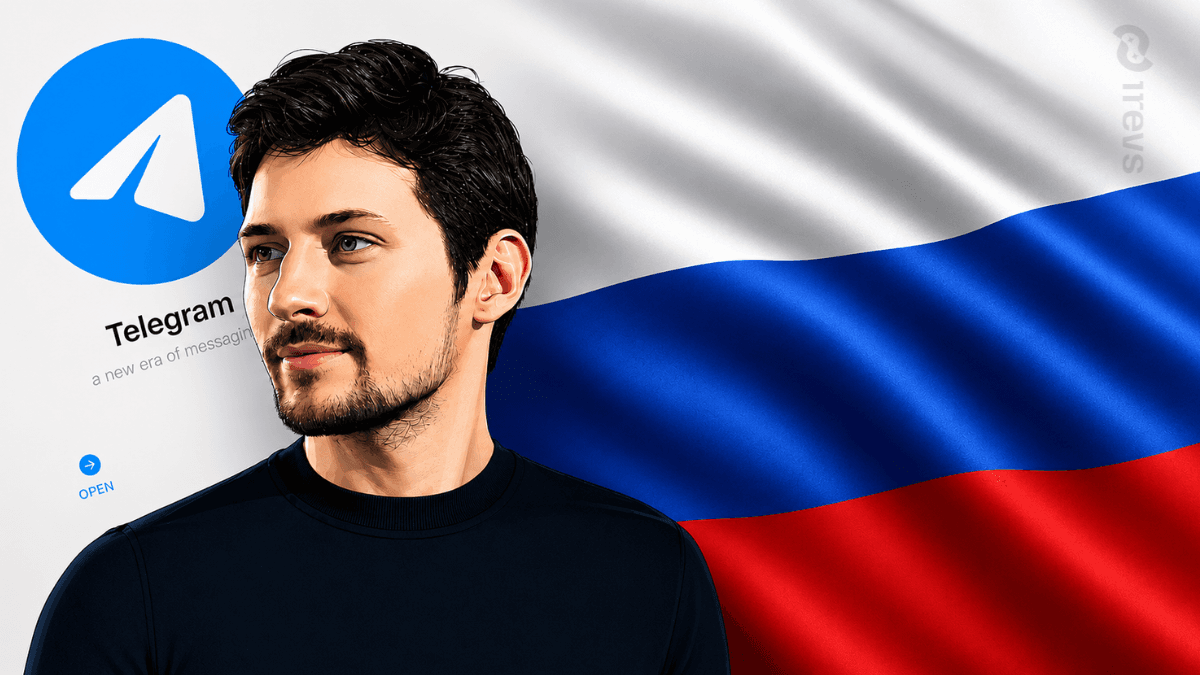
Russian authorities have charged Telegram founder and CEO Pavel Durov with facilitating terrorist activity and placed him on an international wanted list.
Russia’s Federal Security Service alleges that Telegram failed to remove channels, chats and bots used to organise prohibited activities inside the country. The allegations remain unproven, and it is unclear how Russia intends to pursue the case internationally.
Russia Escalates Its Dispute With Telegram
The charges mark a significant escalation in Russia’s long-running conflict with Telegram over content moderation, platform access and government control of online communications.
Durov previously rejected Russia’s investigation, arguing that authorities were using the allegations as another reason to restrict access to Telegram.
The case also reflects growing pressure on technology companies to take responsibility for activity hosted on their platforms. Similar questions about platform accountability have emerged as governments work directly with social networks to remove illegal content.
Telegram had not issued a detailed response to the latest charges at publication time.
Why Crypto Projects Are Watching
Telegram plays an important role in the cryptocurrency industry, where projects use channels, groups and bots to publish announcements, provide customer support and manage online communities.
The platform supports groups containing as many as 200,000 members and provides an open application programming interface for developers.
Its importance has grown as wallets, Mini Apps and blockchain-based services have become more closely integrated with messaging platforms. Other companies are also reconsidering how social tools fit into crypto products, including Coinbase’s decision to move Base away from its earlier social-app strategy.
However, the charges against Durov do not establish that Telegram’s services, blockchain integrations or associated projects will face immediate disruption.
Operational Impact Remains Unclear
There was no indication at publication time that the case had affected Telegram’s global operations.
Whether the international wanted-list designation leads to action outside Russia will depend on further legal steps and cooperation from other jurisdictions. Durov lives outside Russia and holds French and Emirati citizenship.
The case arrives as governments develop more formal rules for digital assets, exchanges and decentralised platforms.
Further statements from Russian authorities, Telegram or Durov will be needed to determine whether the case creates operational consequences for the platform or the crypto communities that depend on it.
This article was provided by a third party. iRevs does not endorse third-party content and is not responsible for its accuracy or for any product, service, or company mentioned. Readers should do their own research (DYOR).


