Are Prediction Markets Reshaping Sports Betting?
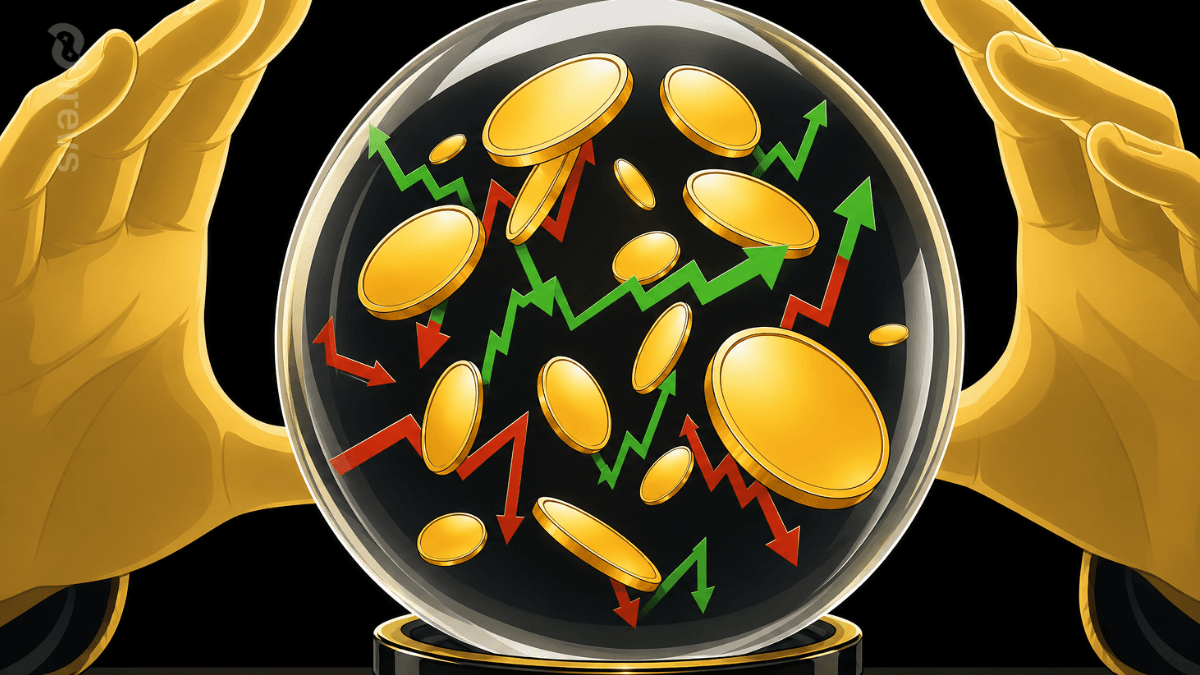
Prediction markets are challenging a central feature of traditional sports betting: the bookmaker no longer has to be the direct counterparty setting every price.
Instead, users trade contracts linked to future outcomes. Prices move as traders buy and sell, allowing participants to enter, exit or adjust positions before an event is resolved.
The model resembles an exchange more than a conventional sportsbook, but whether it delivers better value depends on liquidity, fees, regulation and the quality of each market.
How Do Prediction Markets Work?
A prediction market presents a question tied to a verifiable future event, such as whether a team will win a match.
A “Yes” contract priced at $0.60 generally represents a market-implied probability of about 60%. If the specified outcome occurs, the contract settles at $1. If it does not, it settles at zero. Traders can also sell before settlement when another participant is willing to take the opposite side.
The price is not a guaranteed forecast. It reflects the information, expectations and capital of the traders participating at that moment.
Markets also require clear resolution rules. Some blockchain-based platforms use decentralised resolution systems, while regulated exchanges may rely on predefined official data sources. Not all prediction markets operate through decentralised protocols or automatic oracles.
How Are They Different From Sportsbooks?
Traditional sportsbooks publish odds and include a margin intended to protect the operator and generate revenue. Customers normally accept the available price and wait for the wager to settle, although some sportsbooks offer cash-out functions.
Prediction markets allow buyers and sellers to determine prices through an order book or similar matching system. The operator may earn revenue from transaction fees rather than acting as the house on every position.
This can produce tighter pricing in active markets, but prediction markets are not automatically cheaper. A market with limited participation may have wide bid-and-ask spreads, making it expensive to enter or exit.
Continuous trading is the more significant difference. A trader can potentially sell a profitable position, reduce exposure after new information emerges or take the opposite side to hedge an earlier decision.
Why Are Gaming Companies Paying Attention?
Prediction markets expand the range of events that users can follow and trade. Alongside sports, platforms may offer contracts covering elections, economic data, entertainment and technology.
B2B suppliers are now packaging these mechanics for gaming operators. Slotegrator, for example, introduced Predictor as a product that sportsbooks and casinos can add to their existing platforms.
Sports organisations and media businesses are also experimenting with prediction-market integrations. Polymarket’s partnership with DAZN involves displaying real-time market prices alongside live sports coverage, bringing the exchange model closer to mainstream sports audiences.
The sector’s growing commercial importance is also reflected in plans for Europe’s first dedicated Prediction Markets Summit and a separate Prediction Markets Summit Americas stream.
Could Prediction Markets Replace Sportsbooks?
Prediction markets could pressure sportsbooks in areas where users value transparent pricing, continuous trading and the ability to respond to events in real time.
They may be particularly attractive during major tournaments, when information changes rapidly, and audiences follow several matches, players and outcomes simultaneously. The convergence of event contracts, live data and personalised products is already part of the wider technology shift affecting sports betting during the 2026 World Cup.
However, sportsbooks retain important advantages. They offer familiar interfaces, established payment systems, promotions and broad market coverage without requiring users to understand order books, spreads or contract pricing.
Prediction markets are therefore more likely to become an additional wagering format than an immediate replacement for conventional bookmakers.
Regulation Will Determine How Far They Expand
The regulatory position remains one of the sector’s largest uncertainties.
In the United States, federally regulated event contracts fall under the Commodity Futures Trading Commission. The CFTC has recognised the rapid growth of prediction markets while reminding registered exchanges of their obligations concerning surveillance, market integrity and contract design.
Sports-related contracts remain particularly contested because state authorities may view them as gambling products subject to local betting laws. The CFTC opened a new rulemaking process in June 2026 addressing event contracts involving specified activities, including sporting events.
Other jurisdictions may classify the same product as gambling, a financial instrument or an unregulated digital service. Operators cannot assume that approval in one market allows them to offer contracts elsewhere.
What Risks Should Users Consider?
Prediction markets introduce many of the same risks found in betting and financial trading.
Users can lose their full position. Thin liquidity can make exits difficult, while ambiguous resolution terms can lead to disputes. Markets may also be vulnerable to manipulation, inaccurate information or trading by people with access to non-public facts.
Real-time trading can encourage users to increase or repeatedly adjust positions during fast-moving events. Platforms therefore need effective consumer-protection measures, exposure controls and responsible-gambling tools.
Prediction markets offer a credible alternative structure for trading sports outcomes, but their long-term impact will depend less on novelty than on liquidity, clear regulation and whether platforms can provide fair, understandable markets at scale.
This content is for informational and educational purposes only. It is not financial, investment, or trading advice. Always do your own research (DYOR) and consult a licensed financial adviser before making any investment or financial decision.

