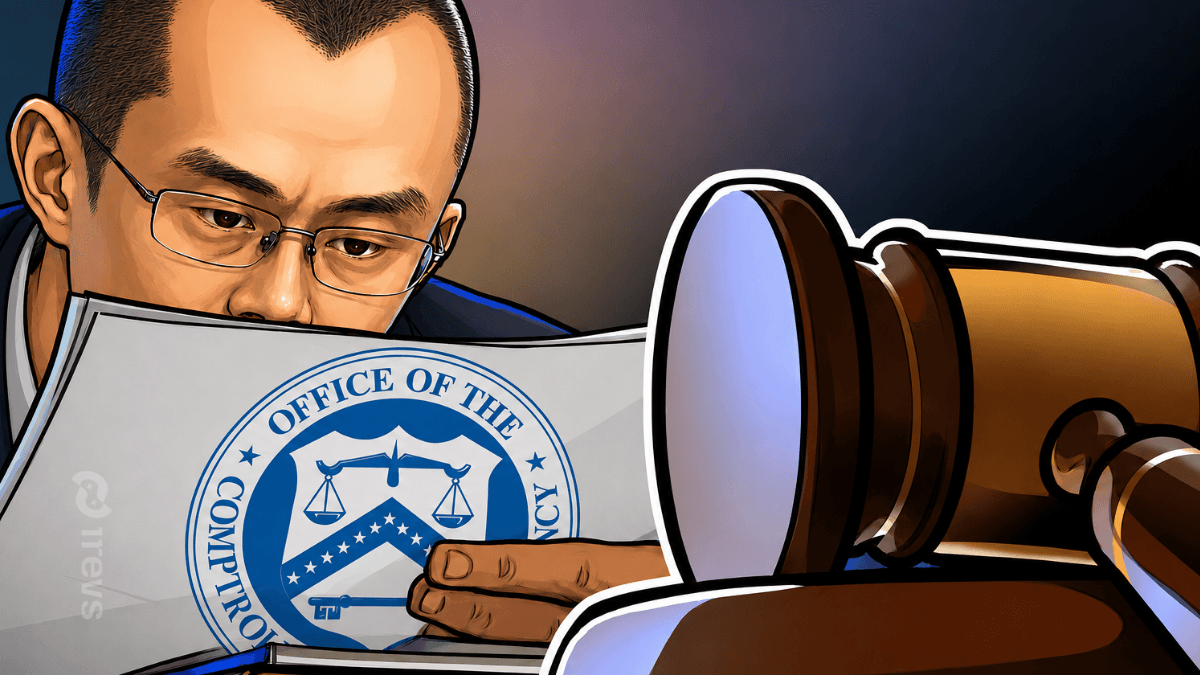
Almost 1,700 UK-based investors have filed a £150 million lawsuit against Binance and its founder Changpeng Zhao in the London High Court, alleging the exchange sold crypto derivatives products without the required regulatory approval.
The claimants are represented by KP Law, which argues that Binance's leverage tokens, futures contracts, and options products breached the Financial Services and Markets Act 2000. The firm says these offerings remained accessible to UK customers even after the Financial Conduct Authority barred crypto derivatives from being sold to retail investors in January 2021, and that Binance had no meaningful system in place to block UK users from accessing them.
Binance has said it intends to contest the claims through the courts and remains committed to operating within applicable law. The lawsuit also names Binance-affiliated Nest Exchange and unidentified persons unknown as additional defendants.
One claimant, financial controller Tomas Sutas, put more than £100,000 into Binance's derivatives products before the positions lost their value entirely. Several other UK users reportedly lost tens of thousands of pounds through the same products.
KP Law says it is still working to determine the full number of customers affected, noting that Binance's scale as one of the world's largest exchanges means exposure could extend well beyond the claimants currently identified.
Binance's UK operations were sharply curtailed in June 2021, when the FCA notified Binance Markets Limited that it could not operate in the country without the regulator's written permission. The lawsuit covers the period beginning January 2021, when the FCA first banned crypto derivatives from retail investors, through to when Binance faced those restrictions.
The case arrives at a difficult moment for Binance. The exchange missed a July 1 deadline to secure a license under the EU's Markets in Crypto-Assets framework, and continues to face separate allegations tied to sanctioned Iranian transactions, which it denies.
The broader pattern of crypto firms facing legal and regulatory pressure is well established. As covered in Crypto PAC and AIPAC Spend $12.5M to Win Maryland's MD-05 Primary, the industry is spending heavily to shape the legislative environment precisely because legal exposure across multiple jurisdictions is growing. The outcome of the CLARITY Act, now moving through Congress, will determine how much of that exposure is resolved through clearer federal law and how much remains subject to litigation like this.
Binance will stop serving EU clients next week after failing to secure a MiCA licence, with users in Poland, Italy, Spain and France told to withdraw funds.


Binance stopping E.U. services after being denied a license shows Europe’s crypto crackdown is now pushing the biggest exchanges out.