Citigroup Nears Approval for China Brokerage Unit
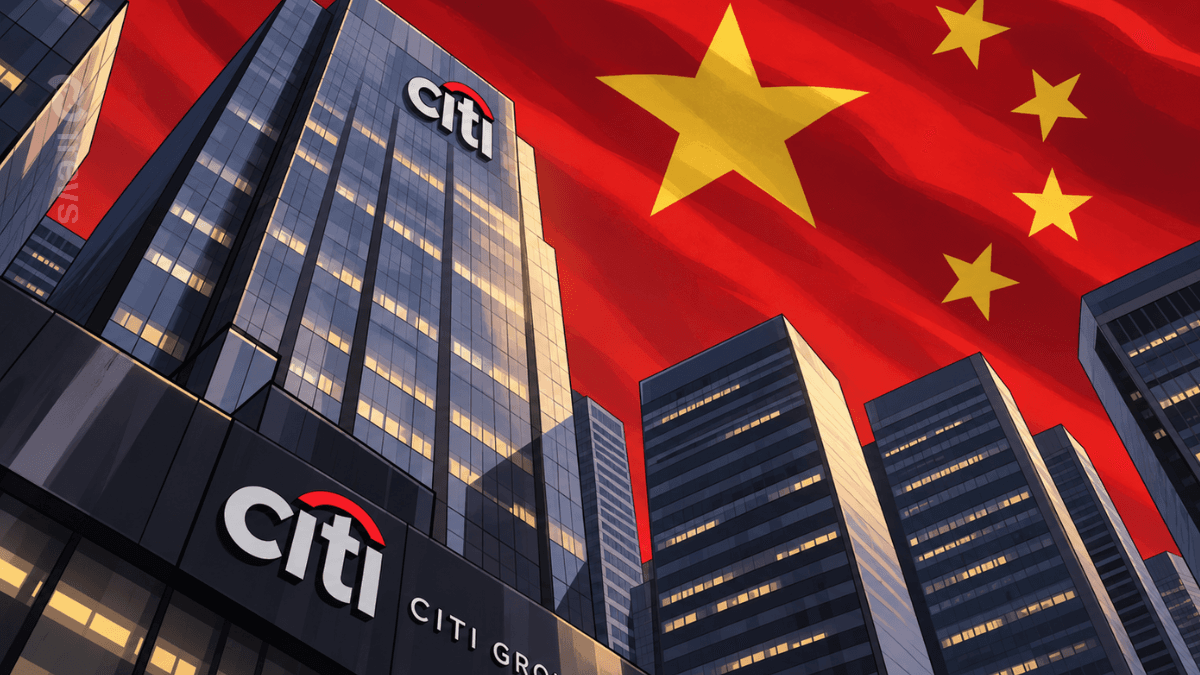
HONG KONG Citigroup expects to receive final regulatory approval for its wholly owned China brokerage business as soon as September 2026, according to two people with knowledge of the matter. The bank plans to add several dozen staff to the unit over the following months.
The approval could land around the time Chinese President Xi Jinping travels to Washington to meet US President Donald Trump in late September, the sources said. Citi has not previously disclosed a timeline for this approval, and the bank declined to comment.
The development matters because it would give Citi a licensed onshore securities business in the world's second-largest economy for the first time. The New York-headquartered bank has offered corporate and institutional banking services in China for more than two decades but has operated without its own mainland brokerage arm since it applied for the licence in late 2021.
Citi's Long-Pending China Brokerage Bid
Citi applied for a wholly owned mainland brokerage licence in late 2021 as part of a broader push to expand its footprint in China. The bank has spent the past two years hiring staff in preparation for the unit's launch and aims to roughly double headcount to around 100 people by the end of 2026, according to the first source.
Approval would let Citi underwrite yuan-denominated shares and handle client trading directly onshore, activities it could not previously perform without a Chinese joint-venture partner.
Competing With Wall Street's China-Licensed Banks
A licensed China brokerage would put Citi in direct competition with JPMorgan, Goldman Sachs, and Morgan Stanley, which already hold approval to operate wholly owned securities businesses in the country. Those firms have spent recent years building out onshore trading and underwriting operations to capture a share of China's growing equity and debt markets.
The timing follows a stretch of uneven growth in China. The country's economy has cooled to 4.3% growth this year, yet it continues to draw a growing list of technology and other companies raising capital on domestic equity markets, with increased fund flows into onshore stocks.
Beijing's Wider Push to Open Its Markets
Despite persistent Sino-US geopolitical tensions, Beijing has continued expanding foreign financial firms' access to its markets, worth trillions of dollars, as it looks to attract more capital inflows. The move fits a broader pattern of global banks widening their presence across Asia; HSBC, for instance, recently said it would open an AI hub in Singapore and hire 100 specialists there.
Citi's hiring effort for the new unit will range from senior front-office bankers to support staff as the bank prepares for a formal launch.
This article was provided by a third party. iRevs does not endorse third-party content and is not responsible for its accuracy or for any product, service, or company mentioned. Readers should do their own research (DYOR).
